



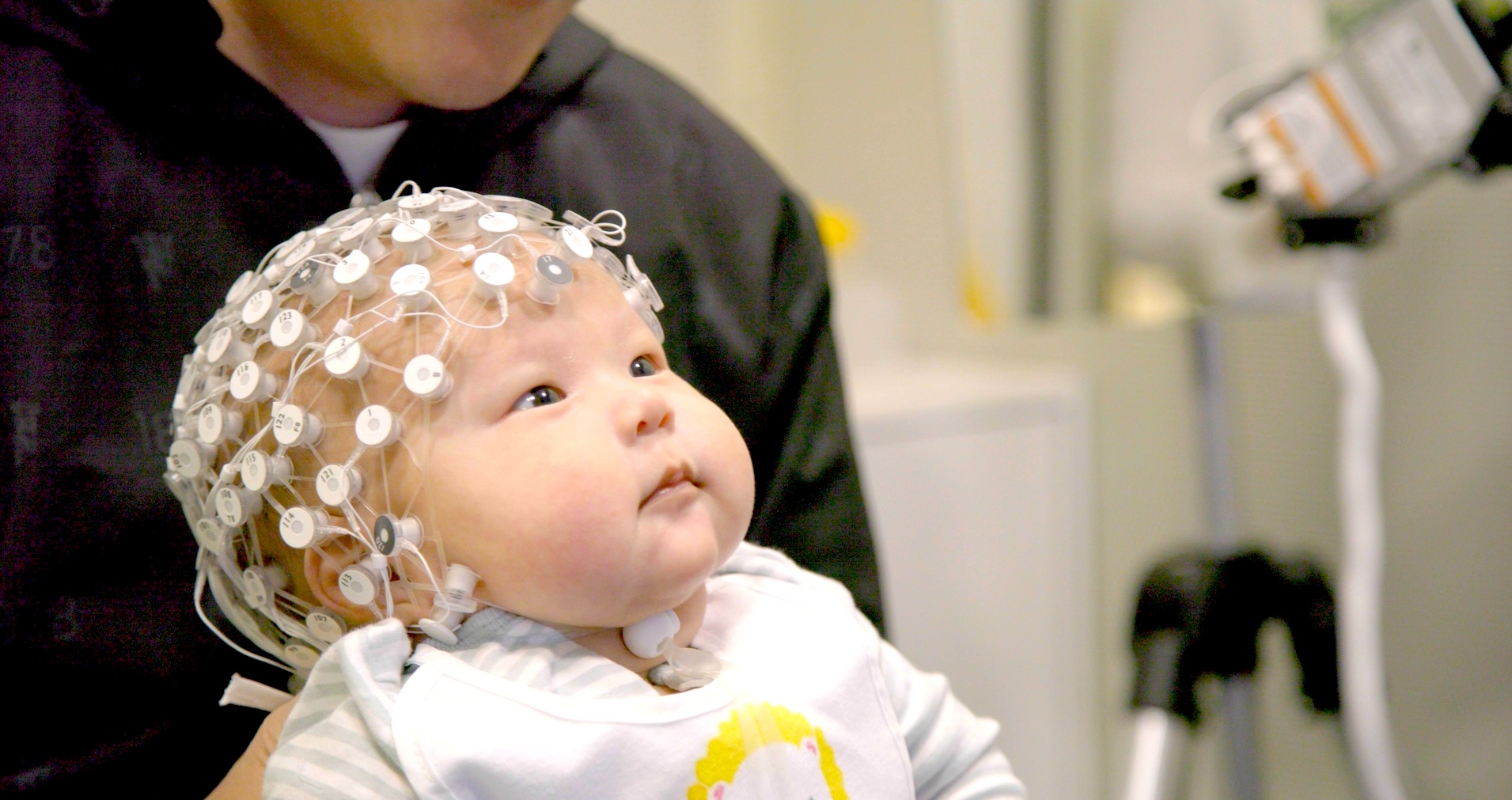
I had been investigating we could do to look after our minds as adults and now he was telling me that for many people, the most important window had closed long before we are old enough to download a meditation app. I couldn’t let it go. If most mental illness starts in childhood, I wondered, why do we spend almost all our effort on treatment once people are already unwell?
That question would take me away from this blog for four years to make my new film, Raising Superheroes. At first I assumed I knew where it would lead. Like my previous projects, The Whole Health Life, The Connection and My Year of Living Mindfully, I thought Raising Superheroes would involve distilling scientific knowledge into neat takeaways all of us could understand and use. A simple 12-month project, I thought. Maybe a neat little ebook with the ten things parents need to know about protecting their children’s wellbeing. How wrong I was.
“So maybe they don’t need superpowers after all?” I asked.
“Correct,” he said.
My question took me to ten cities, from Melbourne, Sydney and Adelaide in Australia to Boston, Nashville and Detroit in the United States, and to remote villages in far eastern Nepal. I sat with developmental scientists and neuroscientists, teachers, paediatricians and parents, and asked them all the same question. What actually protects a child’s mental health?
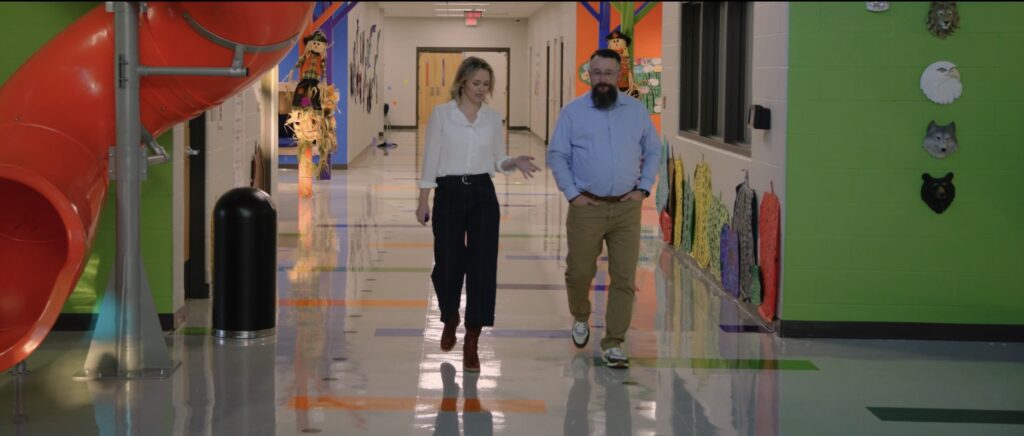
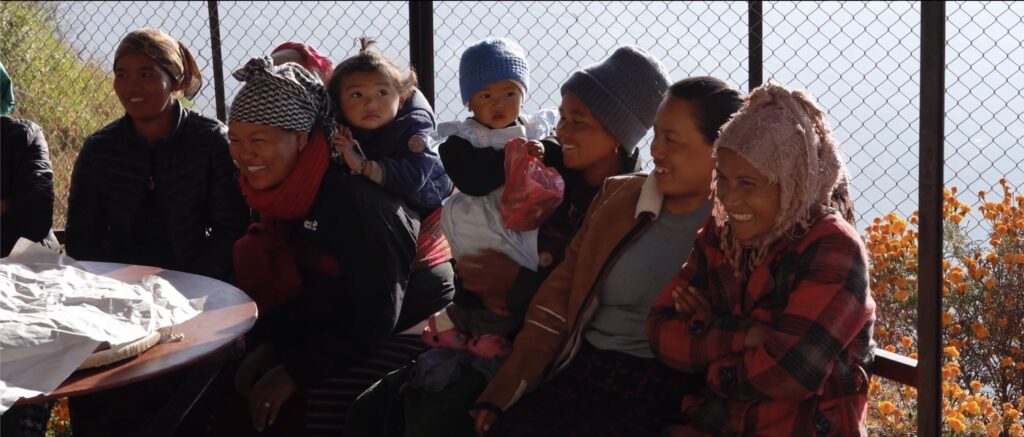
It turns out prevention offers the kind of return on investment most people only dream of. In Nepal, a country with fewer than 200 psychiatrists for almost 30 million people, a village health program like the one I filmed costs less than a dollar per person. Here in Australia, the Productivity Commission recently handed down a report showing that money spent stopping problems early comes back to government roughly twice over. And when researchers from the University of Melbourne modelled the returns on preventing anxiety and depression in teenagers, they found the best prevention programs returned between five and nineteen dollars for every dollar spent.
To find out why Australia doesn’t leap at this opportunity to change lives for future generations while also saving money, I travelled to Parliament House in Canberra with the Wellbeing and Prevention Coalition, an alliance of more than 20 of Australia’s leading mental health organisations, led by Prevention United and including Beyond Blue, Movember , Reach Out, Black Dog Institute, headspace and Orygen. They estimate Australia spends less than 1% of its mental health budget on prevention and made a compelling case to the Health Minister to lift that to 5%, in line with the government’s own National Preventive Health Strategy. Hands were shaken, photos were taken, and then… nothing.
The trouble, I learned, isn’t the cost. It’s the timing. Prevention asks a government to spend money now so that a child, possibly not yet born, grows into an adult who doesn’t get sick. By then, the politician who signed the cheque is long gone. Nobody holds a press conference for an illness that never happened.
I came back from Parliament House frustrated that the case for prevention had fallen on deaf ears. When I sat down with Professor Oberklaid again, I asked him why “they” didn’t just fix it. He looked at me for a moment, then said: “There is no they.”
I’ve thought about those four words more than almost anything anyone has said to me in twenty years of journalism. He meant that no department, minister, or expert advisory committee is waiting in the wings to put prevention on the agenda. If prevention is going to happen, it’s going to be because people outside the system push for it.
Then he told me something I didn’t expect from someone with more than 150 scientific papers to his name. “I used to believe that if I did good research and published it in high-quality journals, the world would change,” he said. “Nothing happened. So I think I started to understand you had to do more than good research. You had to translate that.”
I recognised myself in his words immediately. I got into journalism believing a good story was enough to change the world. I was trained in objectivity. My job was to ask the questions, gather the evidence and hand it to you so you could make up your own mind. That’s what I did with The Whole Health Life, The Connection and My Year of Living Mindfully, and I’m proud of that work.
But if there is no “they”, then reporting on a problem and walking away starts to look like part of the problem. So in the last part of this new film, I do something I was trained never to do. I pick a side. The side is children, and the evidence that we can do far more to protect their mental health than we currently do.
Years ago, on a meditation retreat, I came to see that a still mind and a peaceful inner life are only half the picture. We also have to tend the world outside us, especially the one our kids are growing up in.
Raising Superheroes is where those two halves of my work finally meet.
It’s good to be back.
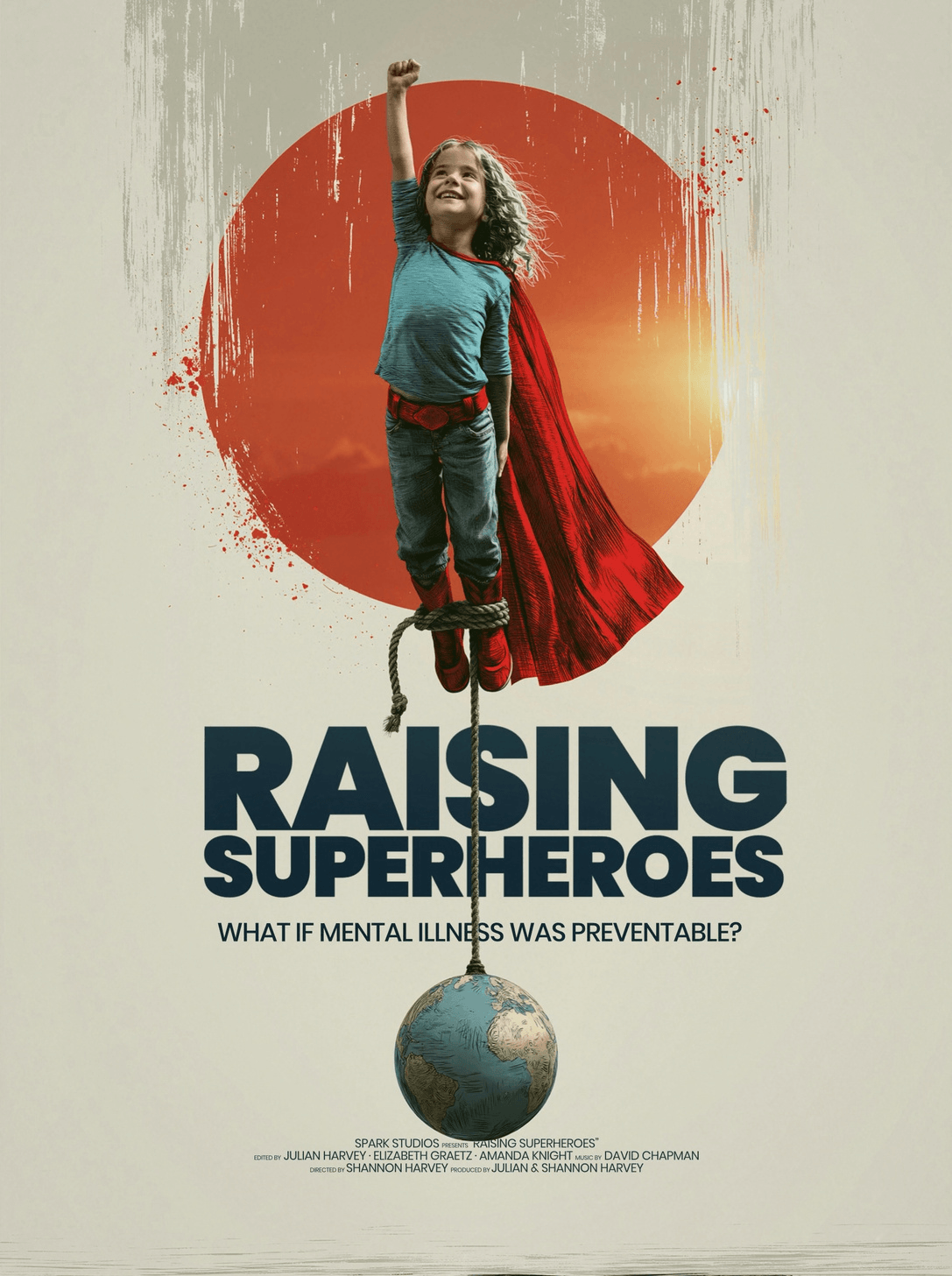
A mother’s search for answers to the youth mental health crisis leads her across the world, to a truth she did not expect to find, and into a fight she never expected to join.
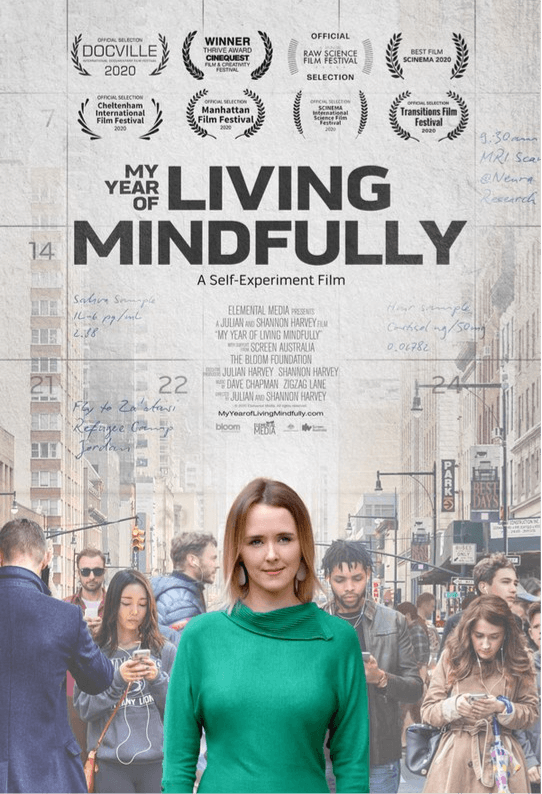
My Year of Living Mindfully is the new feature documentary from journalist and filmmaker Shannon Harvey. Overwhelmed with insomnia and an incurable…
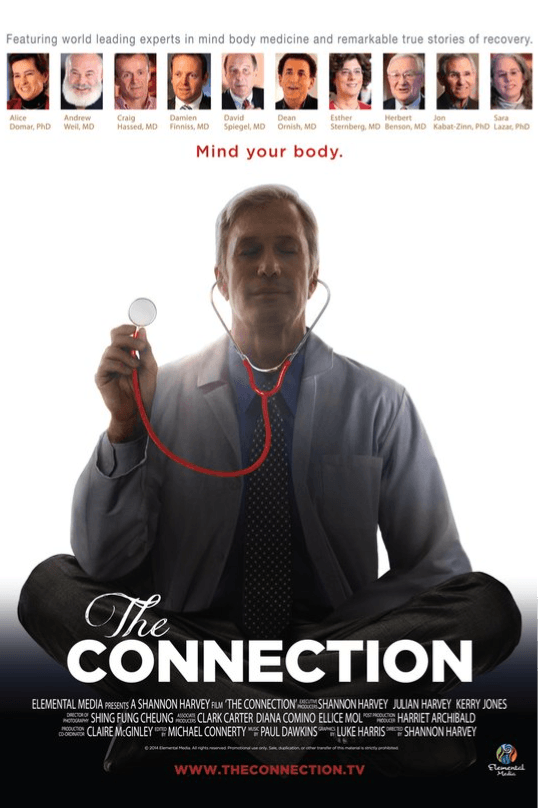
ABOUT THE FILM The Connection is a feature documentary that uncovers the latest science in mind body medicine and proves we have much more to say a…
“In The Whole Health Life Shannon Harvey writes with real heart, relentless honesty, journalistic insight and broad understanding. On top of all th…